

Post-race recovery and analysis
What to do in the hours and days after your race to recover and learn from the experience.
The Crucial Aftermath: Mastering Post-Race Recovery and Analysis
The finish line has been crossed, the cheers have faded, and the endorphins are starting to ebb. You’ve poured your heart and soul into your race, and now, the equally important phase of post-race recovery and analysis begins. This isn't just about collapsing on the couch; it's a strategic period designed to optimize your physical healing and unlock valuable insights to make you a stronger, smarter athlete for your next challenge. For intermediate athletes, navigating this aftermath effectively can be the difference between sustained progress and plateauing.
The Immediate Hours: The Rebuild Begins
In the immediate aftermath of your race, your body is in a state of significant stress and depletion. Your primary goal is to kickstart the repair process and replenish vital resources.
Rehydration and Refueling: The Golden Window: Aim to rehydrate and refuel within the first 30-60 minutes post-race. This is often referred to as the "golden window" where your body is most receptive to nutrient absorption.
- Hydration: Sip on fluids that replenish electrolytes lost through sweat. Water is essential, but consider adding electrolyte tablets, sports drinks, or even a salty snack. Dehydration can significantly hinder recovery, leading to fatigue, muscle cramps, and cognitive impairment.
- Refueling: Prioritize a combination of carbohydrates and protein. Carbohydrates replenish glycogen stores, the primary fuel source for endurance activities. Protein aids in muscle repair and rebuilding. Aim for a 3:1 or 4:1 carbohydrate-to-protein ratio. Think of a recovery shake, a banana with peanut butter, or a chicken breast with sweet potato. Avoid heavy, greasy foods that can be difficult to digest.
Gentle Movement: Stimulating Blood Flow: While rest is important, avoid complete stillness. Engage in light, low-impact movement for 10-15 minutes. This could include a slow walk, gentle cycling, or dynamic stretching. This helps to:
- Flush out metabolic waste: Movement encourages blood flow, which helps to clear out lactic acid and other byproducts of intense exercise.
- Prevent stiffness: Gentle movement can prevent muscles from becoming overly stiff and sore in the hours following the race.
Compression Gear: Aiding Circulation: If you have compression socks or sleeves, now is the time to put them on. Compression garments work by applying gentle pressure to your limbs, which can:
- Improve blood circulation: This enhanced circulation helps to deliver oxygen and nutrients to your muscles and remove waste products more efficiently.
- Reduce swelling and soreness: By promoting better fluid management, compression can mitigate post-race edema.
Warm Shower or Bath: Soothing Sore Muscles: A warm shower or bath can be incredibly soothing. The warmth helps to relax tight muscles and improve blood flow. Some athletes find adding Epsom salts (magnesium sulfate) beneficial for muscle relaxation. Avoid very hot water, which can sometimes exacerbate inflammation.
The Days Following: Sustained Recovery and Deep Learning
The initial hours set the stage, but the following days are crucial for a full return to readiness and for extracting the most valuable lessons from your race.
Prioritize Sleep: The Ultimate Restorer: Sleep is your body's primary recovery mechanism. Aim for 7-9 hours of quality sleep each night. During sleep, your body releases growth hormones essential for muscle repair and tissue regeneration. Creating a consistent sleep schedule and a relaxing bedtime routine will be highly beneficial.
Active Recovery: Keeping Things Moving: Continue with active recovery in the days following the race. This means engaging in low-intensity, enjoyable activities that promote blood flow without causing further stress. Examples include:
- Light cycling or swimming: These are excellent low-impact options that work different muscle groups and aid in recovery.
- Yoga or Pilates: These disciplines can improve flexibility, core strength, and mindfulness, all beneficial for overall well-being.
- Walking or hiking: Gentle exploration can be both physically restorative and mentally refreshing.
Nutrition Focus: Continued Replenishment: Maintain a balanced and nutrient-dense diet. Continue to prioritize lean protein, complex carbohydrates, healthy fats, and plenty of fruits and vegetables.
- Anti-inflammatory foods: Incorporate foods rich in omega-3 fatty acids (fatty fish, flaxseeds, walnuts), antioxidants (berries, leafy greens), and other anti-inflammatory compounds (turmeric, ginger) to help combat inflammation.
- Hydration remains key: Don't underestimate the importance of continued hydration in the days after the race.
Listen to Your Body: The Most Important Tool: This is perhaps the most critical aspect of post-race recovery. Your body will communicate its needs. Pay attention to:
- Muscle soreness (DOMS): While some soreness is expected, excessive or persistent pain could indicate something more serious.
- Fatigue levels: Don't push yourself too hard too soon. Allow your energy levels to return gradually.
- Mental state: Are you feeling motivated or drained? Your mental state is an integral part of your overall recovery.
The Art of Analysis: Turning Experience into Expertise
Beyond physical recovery, the post-race period is a golden opportunity for intellectual and strategic growth. Effective analysis transforms a race into a stepping stone for future success.
The Race Debrief: Objective Reflection: Once you’re feeling physically more recovered, it’s time for a structured debrief. Grab a notebook, open a document, or use a race tracking app and honestly assess your performance. Consider these key areas:
- Pacing: Did you start too fast or too slow? Were there significant dips in your pace? How did your effort feel at different stages?
- Nutrition and Hydration Strategy: Did you consume enough fuel and fluids during the race? Did you experience any stomach issues? Was your chosen race-day nutrition effective?
- Gear and Equipment: Did your shoes feel comfortable? Did your clothing chafe? Was there any equipment failure?
- Mental Game: How did you handle challenges during the race? Were you motivated? Did you experience any mental blocks?
- Course Specifics: How did the terrain, weather, and elevation affect your performance? Were there any sections you underestimated or overestimated?
- Pre-Race Preparation: Did your training accurately prepare you for the demands of the race? Were there any gaps in your preparation?
Identify Strengths and Weaknesses: Be honest about what went well and what could have been better.
- Strengths: What aspects of your race execution were particularly effective? Celebrate these successes, as they are the foundation for future performance.
- Weaknesses: Where did you fall short? Don't dwell on these negatively, but see them as areas for targeted improvement.
Connect Analysis to Future Training: The real value of analysis lies in its application to your training plan.
- Targeted Training: If pacing was an issue, incorporate more interval training or tempo runs to improve your ability to sustain a specific pace.
- Nutrition Practice: If your race-day nutrition didn't work as planned, use your training sessions to experiment with different foods and hydration strategies.
- Equipment Testing: Use your training runs to test new gear or identify potential issues with existing equipment.
- Mental Skills: If you struggled with the mental aspect, consider incorporating visualization techniques, mindfulness exercises, or working with a sports psychologist.
Seek Feedback (Optional but Recommended): If you train with a coach or a group, share your thoughts and listen to their perspectives. They may have observed things you missed.
The Long-Term Perspective: Continuous Improvement
Post-race recovery and analysis aren't isolated events; they are integral components of a continuous improvement cycle. By diligently attending to your body's needs and thoughtfully reflecting on your experiences, you’ll not only recover more effectively but also build a stronger, more resilient, and strategically astute athletic foundation for every race to come. Embrace this crucial aftermath, and you’ll find yourself crossing future finish lines with greater confidence and preparedness.
Related Articles
Should you do back-to-back HYROX events?
Pros, cons, and recovery considerations of racing frequently in HYROX.
Race day checklist for HYROX athletes
Everything you need to bring and prepare for a smooth race day.
Top mistakes to avoid in your first HYROX
Avoid rookie mistakes and set yourself up for a smooth first race.
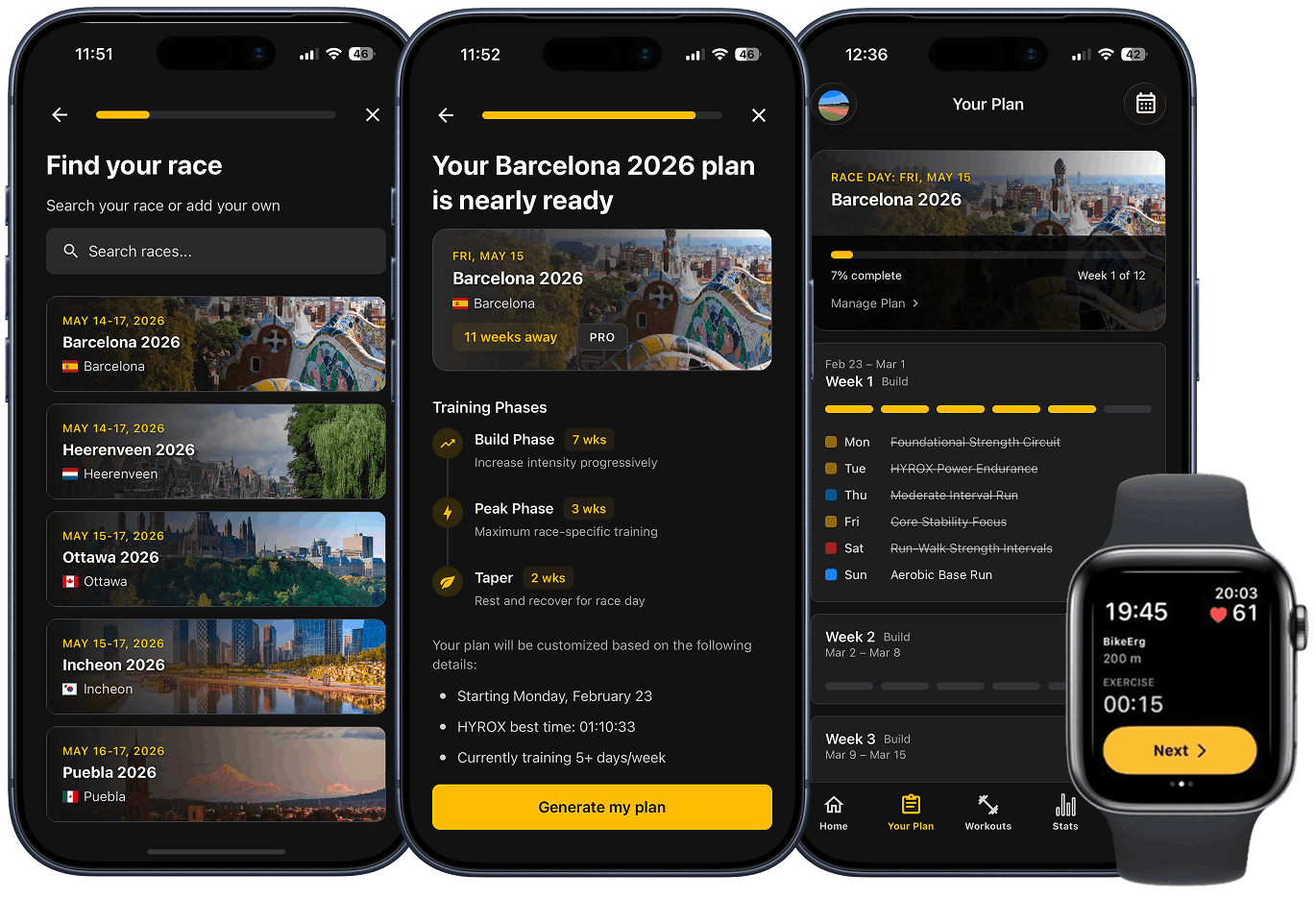
Ready for a structured plan?
Stop guessing what to do next. TrainRox builds personalized HYROX and hybrid fitness training plans based on your fitness level and race goals.
Get daily workouts, track your progress, and arrive at the start line knowing you've done the right work.


First week free. Cancel anytime.